

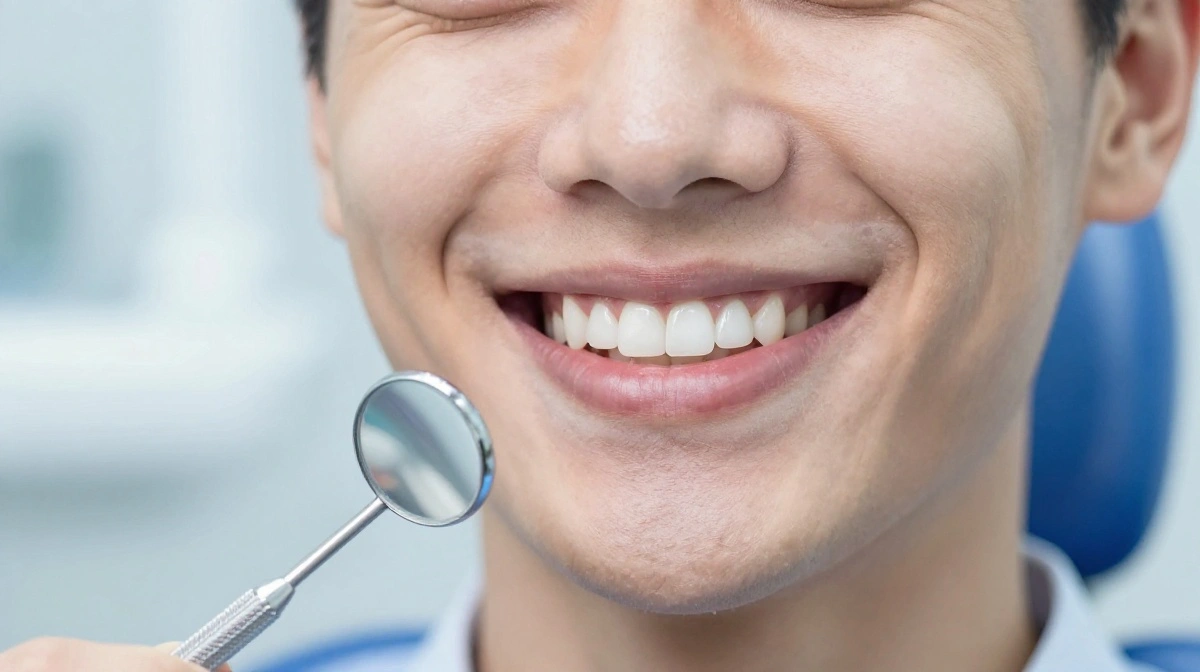
You brush twice a day, floss when you remember, and still wonder why your smile doesn’t look or feel the way you want it to. That frustration is more common than you think — and it’s exactly what Brasssmile is designed to solve.
Brasssmile goes far beyond cavity fillings and routine cleanings, combining cosmetic treatments, preventive oral health strategies, and cutting-edge dental technology into one complete approach.
Whether you’re dealing with staining, misalignment, or simply want a stronger daily routine, Brasssmile gives you the tools and direction to make real progress. Understanding what Brasssmile offers — and how to use it — could genuinely change the way you think about your teeth and your long-term health.
What Exactly Is Brasssmile and Why Does It Matter
Brasssmile is a forward-thinking dental care concept that merges oral health maintenance with cosmetic smile improvement. It’s not a single product or a clinic brand — it’s a philosophy.
Traditional dentistry often treated the mouth in terms of problems: cavities, gum disease, broken teeth. Brasssmile shifts that frame entirely, asking instead what an ideal smile looks like for each individual patient and working backward to create it.
This approach matters because oral health is deeply connected to overall well-being. Studies from the American Dental Association suggest that untreated gum disease is linked to heart disease, diabetes complications, and respiratory issues.
When you invest in a comprehensive dental approach like Brasssmile, you’re not just chasing aesthetics — you’re protecting your long-term health. That’s a distinction the competitor content consistently underplays, and it’s worth taking seriously.
The Role of Cosmetic Dentistry Within the Brasssmile Approach
Cosmetic dentistry sits at the heart of the Brasssmile method, but it’s more nuanced than most people realize. It’s not about creating a Hollywood-perfect, unnaturally white smile. It’s about achieving a result that fits your face, suits your lifestyle, and lasts for years without constant upkeep.
The most common cosmetic procedures associated with Brasssmile include teeth whitening, dental veneers, composite bonding, and gum contouring. Each treatment addresses a specific aesthetic concern while preserving the natural structure of your teeth as much as possible.
A good cosmetic dentist working within the Brasssmile framework will always evaluate your bite, jaw alignment, and gum health before recommending any visual treatment. Skipping that evaluation is where a lot of cosmetic work goes wrong — and that’s a mistake this approach is specifically designed to avoid.
Teeth Whitening Under the Brasssmile Framework
Teeth whitening is often the first treatment people consider, and within the Brasssmile approach, it’s handled with a lot more precision than the average drugstore kit. Professional whitening treatments used in this framework typically rely on hydrogen peroxide gels activated by LED or laser light, achieving results in a single 60-to-90-minute session.
The average patient sees teeth lighten by six to eight shades in one visit — something over-the-counter strips simply cannot deliver. More importantly, a Brasssmile-aligned whitening session begins with a sensitivity assessment.
About 38% of patients experience some level of post-whitening sensitivity, and identifying that risk beforehand allows the dentist to adjust concentration levels or apply desensitizing agents. This is a step that competitors rarely mention, yet it’s the difference between a comfortable result and three days of tooth pain.
Dental Veneers and Long-Term Smile Design
Veneers are one of the most powerful tools in the Brasssmile toolkit, and they deserve more explanation than the typical “thin shells on your teeth” description. Porcelain veneers typically last 10 to 15 years, while composite resin veneers range from 5 to 7 years depending on care. The cost difference is significant — composite veneers average around $250 to $500 per tooth in the US, while porcelain veneers run from $900 to $2,500 per tooth. Here’s a quick comparison to help you decide:
| Feature | Composite Veneers | Porcelain Veneers |
|---|---|---|
| Average Cost (per tooth) | $250 – $500 | $900 – $2,500 |
| Lifespan | 5 – 7 years | 10 – 15 years |
| Stain Resistance | Moderate | High |
| Repair if Chipped | Easy, in-office | Requires replacement |
| Natural Appearance | Good | Excellent |
Choosing the right veneer type depends on your budget, lifestyle, and how committed you are to maintenance. A Brasssmile-aligned dentist will walk you through both options without pushing you toward the more expensive choice if it isn’t the right fit.
Orthodontic Options That Complement Brasssmile Care
Alignment is a foundational part of the Brasssmile approach because even the most beautifully whitened or veneered teeth look off if they’re crooked or poorly spaced. Modern orthodontic options have improved dramatically. Clear aligner systems like Invisalign now account for roughly 50% of all orthodontic treatments started in the United States annually.
They’re discreet, removable, and produce results in 6 to 18 months for most mild to moderate cases. Traditional braces remain the better option for severe misalignment, particularly in cases involving significant overbite or underbite corrections.
What makes orthodontics stand out within the Brasssmile concept is sequencing — alignment is typically addressed before whitening or veneer placement, because moving teeth after cosmetic work wastes both money and effort. Getting the order right saves patients hundreds, sometimes thousands, of dollars in rework.
Preventive Oral Health Strategies That Protect Your Investment
Any cosmetic or restorative work you do under the Brasssmile framework needs a strong preventive foundation to last. Without consistent oral hygiene and professional maintenance, even the best dental work deteriorates faster than it should. The two non-negotiable habits in this approach are:
- Brush with a fluoride toothpaste twice daily using a soft-bristle brush, spending at least two minutes each session to cover all tooth surfaces evenly.
- Schedule professional cleanings every six months, or every three to four months if you have a history of gum disease, to remove tartar buildup that brushing alone cannot address.
- Floss at least once every day to remove food particles and plaque from between teeth, where a toothbrush cannot reach and where cavities most commonly begin.
Beyond these basics, Brasssmile care also recommends limiting acidic beverages like soda and citrus juice, which erode enamel over time, and using a nightguard if you grind your teeth during sleep — a condition called bruxism that affects roughly 8% of adults and is one of the leading causes of premature veneer and crown failure.
Advanced Technology That Makes Brasssmile Treatments More Effective
One of the things that genuinely separates a Brasssmile-oriented practice from an average dental office is the technology it uses. Digital smile design software, for example, allows patients to preview their expected results before any treatment begins. This reduces anxiety, sets realistic expectations, and gives both patient and dentist a shared visual goal.
CEREC same-day crown technology lets dentists mill porcelain restorations in-office within two hours, eliminating the need for temporaries and multiple appointments. Intraoral scanners replace messy traditional impressions, capturing a 3D digital model of your mouth in under three minutes.
These tools don’t just make treatment faster — they make it more accurate, which directly improves outcomes. Patients treated with digital impressions, for instance, experience fewer fitting issues and less post-placement discomfort than those treated with traditional methods.
Common Mistakes People Make with Dental Cosmetic Care
Even with the best intentions, patients often undermine their own dental results in ways that are easy to avoid. The most common mistake is skipping the consultation and jumping straight to treatment — ordering whitening kits online without knowing whether you have active decay or gum inflammation that needs addressing first.
Whitening over untreated cavities doesn’t whiten them; it causes pain. Another frequent error is neglecting follow-up care after cosmetic procedures. Veneers require polishing with non-abrasive toothpaste, and many patients switch back to standard gritty formulas within weeks of placement.
Avoiding your dentist after treatment because “everything looks fine” is also risky — many issues like micro-cracks in veneers or early gum recession around implants are invisible to the naked eye but caught easily at a six-month check. The Brasssmile approach treats aftercare as part of the treatment itself, not an optional add-on.
Conclusion: Why Brasssmile Represents the Future of Dental Care
The shift toward a more integrated, patient-centered dental experience is not a trend — it’s where the entire field is heading. Brasssmile captures that shift better than most concepts because it refuses to separate health from aesthetics. You don’t have to choose between teeth that work and teeth that look good.
With the right sequencing of preventive care, cosmetic treatments, and ongoing maintenance, you can have both. Start by scheduling a comprehensive dental consultation and asking your dentist specifically about a full smile assessment — not just a cleaning.
Bring your concerns, your aesthetic goals, and your questions about the treatments covered here. The best dental care you’ll ever receive begins with that single honest conversation about what you actually want your smile to look like.